Premium
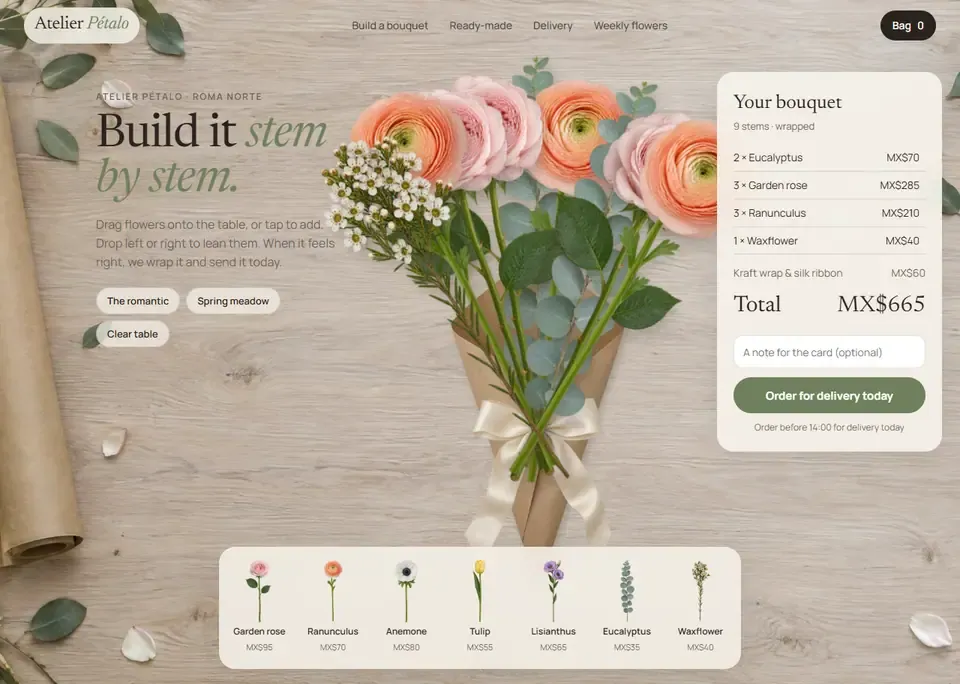
What to expect
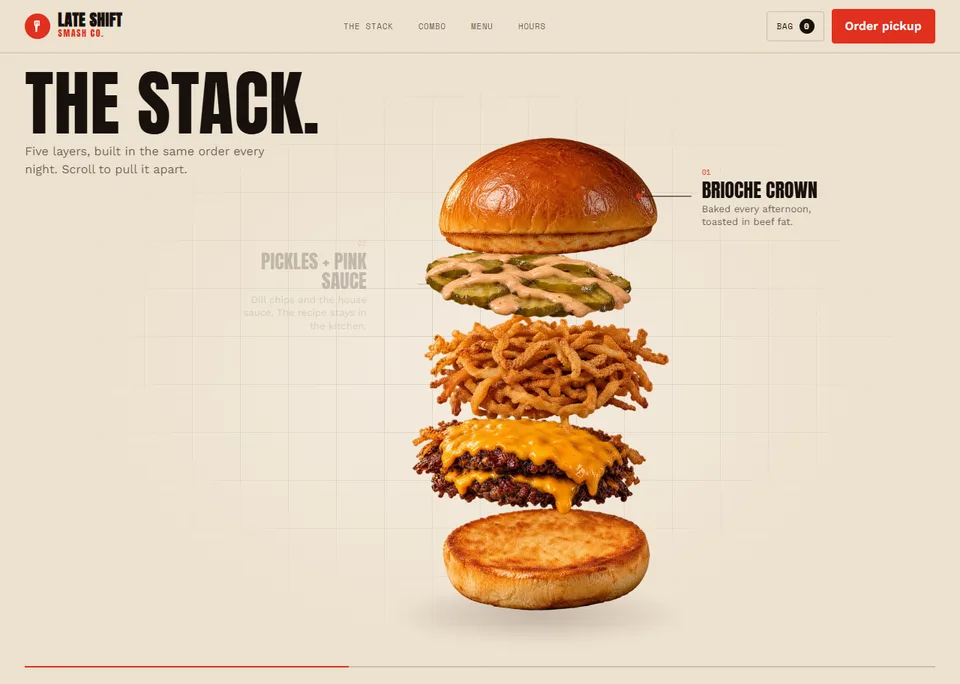
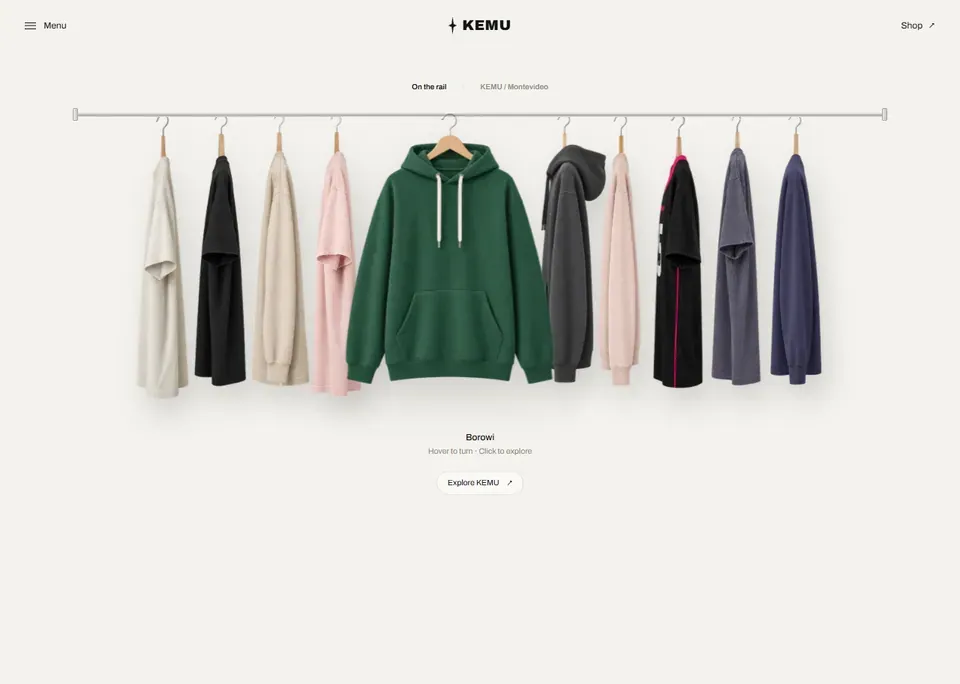
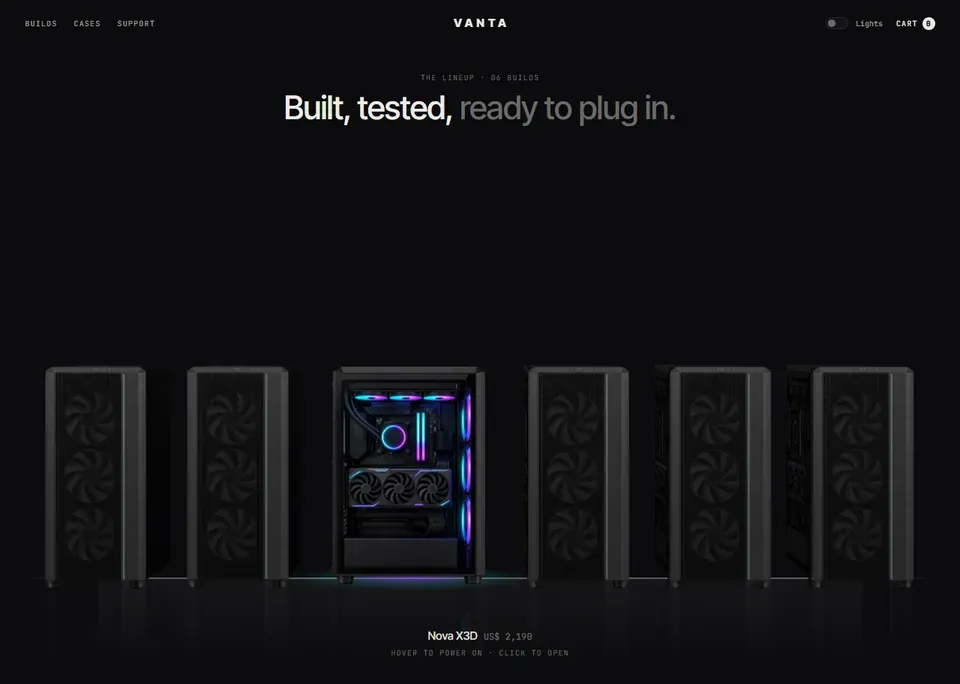
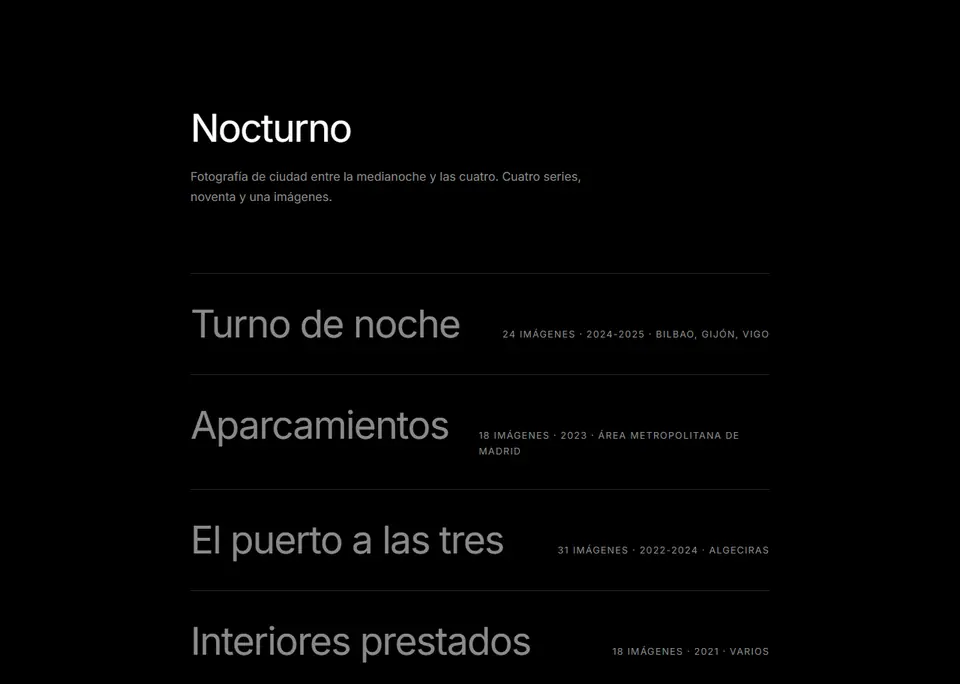
Every generation is different: your AI makes its own version, not a pixel copy. What the prompt pins down is the structure, the rhythm and the motion, with their numbers and acceptance criteria; what changes are the visual details, the images and the copy you put in.
To make it yours: swap the copy (4 written blocks), the palette (4 colours with their use) and the photos for yours, at the same ratio. The structure and the motion stay.
More like this
How to use it
Copy the prompt or the source code
The prompt carries the whole page: structure, motion and the stack notes the model needs. It's written in Spanish and asks your agent to build all visible copy in English. With Full Stack you can also download its source code.
Paste it into your AI
Written and checked with Claude Opus 5, and the Obsidiana prompt has also been tested with ChatGPT. Any agent that accepts a long prompt can use them, but we haven't measured them against others.
Make the content yours before polishing
Change the copy, the colour tokens and the images first. Tuning the motion before you have the real content is wasted time.
Bring it into your project
Drop it in as a self-contained page, or ask your agent to rebuild it in your framework. The prompt isn't tied to any stack.
FAQ
It's a prompt: structured language that describes the piece precisely enough for your AI to rebuild it. With the Full Stack plan you also get the ready-made source code.
Yes. By default it generates a self-contained HTML page; add one line and your agent builds it in Next.js, Astro, Vue or WordPress. There's no framework dependency because there's no code tied to any.
All of it. The structure and the motion are what you take; the theme, the colours and the copy are yours. Changing it is literally asking your AI in the same conversation.
Yes. With any paid plan: a commercial license for your own and your clients' projects, no attribution and no limit on sites. It doesn't allow reselling or redistributing the prompts or the code as they are. The free layers are for trying the product: turn them into something of your own rather than publishing them untouched.
On a regular basis. With the one-time payment, everything added after your purchase is yours too; with the yearly plan, whatever is added while your subscription is active.
It won't be 100%. Every generation is different: your AI makes its own version, not a pixel copy. What the prompt pins down is the structure, the rhythm and the motion, with their numbers and acceptance criteria; what changes are the visual details, the images and the copy you put in. If you need the exact piece, the Full Stack plan includes its source code.
Add one line at the end of the prompt and your agent builds it in Next.js, Astro or whatever you use, with your own design tokens.